
حسابداری و حسابرسی

درباره سایت
آخرین مطالب
- سامانه پژوهش در قیمتهای اوراق بهادار
- انتقال گزارش و جداول کاری از استاتا
- سامانه پژوهش در قیمتهای اوراق بهادار
- ?what is erp
- موارد برون سازمانی نقض استقلال در حسابرسی
- کارآيي استاندارد حسابداري ۱۶ تسعير ارز در مواجهه با تغييرات شديد نرخ ارز
- مقایسه استاندارد ایران و بین الملل
- ◀️ آیا همه رفتارهای انسان عقلانی است؟
- نرخ تورم مرداد ماه بر اساس سال پایه 1395
- ifrs
امکانات وب
Introduction to Income Statement
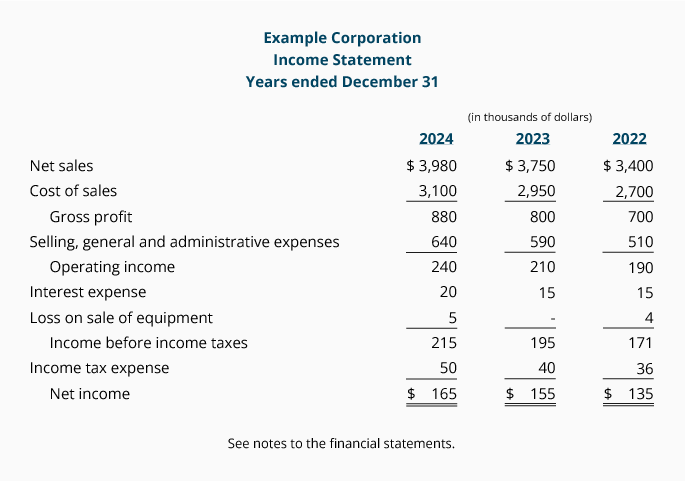
The income statement is one of the major financial statements used by accountants and business owners. (The other major financial statements are the balance sheet, statement of cash flows, and the statement of stockholders' equity.) The income statement is sometimes referred to as the profit and loss statement (P&L), statement of operations, or statement of income. We will use income statement and profit and loss statement throughout this explanation
The income statement is important because it shows the profitability of a company during the time interval specified in its heading. The period of time that the statement covers is chosen by the business and will vary. For example, the heading may state
"For the Three Months Ended December 31, 2015" (The period of October 1 through December 31, 2015.)
"The Four Weeks Ended December 27, 2015" (The period of November 29 through December 27, 2015.)
"The Fiscal Year Ended June 30, 2015" (The period of July 1, 2014 through June 30, 2015.)
Keep in mind that the income statement shows revenues, expenses, gains, and losses; it does not show cash receipts (money you receive) nor cash disbursements (money you pay out)
People pay attention to the profitability of a company for many reasons. For example, if a company was not able to operate profitably—the bottom line of the income statement indicates a net loss—a banker/lender/creditor may be hesitant to extend additional credit to the company. On the other hand, a company that has operated profitably—the bottom line of the income statement indicates a net income—demonstrated its ability to use borrowed and invested funds in a successful maer. A company's ability to operate profitably is important to current lenders and investors, potential lenders and investors, company management, competitors, government agencies, labor unions, and others
The format of the income statement or the profit and loss statement will vary according to the complexity of the business activities. However, most companies will have the following elements in their income statements
A. Revenues and Gains
Revenues from primary activities
Revenues or income from secondary activities
Gains (e.g., gain on the sale of long-term assets, gain on lawsuits)
B. Expenses and Losses
Expenses involved in primary activities
Expenses from secondary activities
Losses (e.g., loss on the sale of long-term assets, loss on lawsuits)
If the net amount of revenues and gains minus expenses and losses is positive, the bottom line of the profit and loss statement is labeled as net income. If the net amount (or bottom line) is negative, there is a net loss
Note: We provide business forms for preparing income statements plus a visual tutorial and exam questions pertaining to the income statement for members of AccountingCoach PRO
برچسب: income statement,income statement template,income statement definition,
نویسنده: باران زارعیان